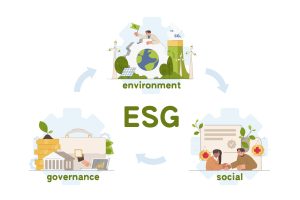

If you are a corporate executive in today’s volatile business environment, you will be tasked to drive profits alongside addressing an array of social and environmental issues that stakeholders are increasingly vocal about. This is the reality of materiality in the ESG (Environmental, Social, and Governance) context—a concept that demands companies to focus on issues that significantly impact their financial performance and the world around them.
In Alison Taylor’s book, Higher Ground, she articulates the challenges and opportunities companies face as they navigate this terrain. Materiality is increasingly discussed in company board rooms today but this is an idea, which is no longer confined to financial metrics alone; it now encompasses a broader spectrum of environmental and social impacts that can affect a company’s long-term viability.
The Evolution of Materiality
Around thirty years ago, corporations could afford to sidestep social and environmental issues, focusing solely on shareholder returns. Milton Friedman’s doctrine of maximizing shareholder value was the reigning principle. In today’s interconnected world, this narrow view is detrimental. Businesses are expected to address climate change, human rights, and social justice—issues that were once considered peripheral but are now at the heart of how companies operate.
Materiality in the ESG context refers to the issues that are most relevant to a company’s business model and stakeholders. These are the factors that can significantly affect a company’s performance and reputation. It’s about understanding the impacts that matter most to your business and society and integrating them into your corporate strategy.
Stakeholder Expectations and Materiality
Stakeholder capitalism has replaced the old shareholder-centric model. Today, businesses must balance the interests of shareholders with those of employees, customers, communities, and the environment. This shift has made the concept of materiality more complex and nuanced.
Take Starbucks, for instance. The company has long touted its commitment to social responsibility and sustainability. Its resistance to unionization efforts among its baristas has however sparked significant reputational damage. This tension highlights the challenge of balancing competing stakeholder interests—ensuring fair labor practices while maintaining profitability and customer satisfaction.
When we advise to clients, we always articulate to deeply understand what material issue is to their businesses which requires practical curiosity and the courage to make tough trade-offs. No company can please everyone, but every company can make an informed decision that align with its values and long-term goals.

The Role of Transparency and Accountability
In the age of social media and digital transparency, businesses can no longer hide behind marketing spin. Stakeholders demand authenticity and accountability. They want to see tangible actions and measurable results.
The democratization of transparency means that any misstep can quickly escalate into a reputational crisis. Companies must be proactive in their ESG efforts, embedding sustainability and ethical practices into their core operations. This requires a shift from viewing ESG as a compliance exercise to seeing it as a strategic imperative.
Navigating the Materiality Maze
So, how can companies effectively navigate the materiality maze? Here are a few guiding principles:
Step 1 – Engage Stakeholders: Regularly consult with your stakeholders to understand their concerns and expectations. This includes employees, customers, investors, and community members.
Step 2 – Assess Impact: Conduct thorough impact assessments to identify the most material issues for your business. Use frameworks like the SASB (Sustainability Accounting Standards Board) and GRI (Global Reporting Initiative) to guide your analysis.
Step 3 – Integrate ESG into Strategy: Embed ESG considerations into your corporate strategy and decision-making processes. Have practical and clear-cut discussions in your boardroom. The strategy should not merely be limited to sustainability reports but must be clearly part of broader corporate strategy.
Step 4 – Be Transparent: Communicate your ESG goals, actions, and progress transparently. Use clear, measurable metrics to demonstrate your impact and hold yourself accountable. One more thing, don’t fret about your ESG scores. If you are doing something concrete, which is also part of your broader corporate strategy, people will notice this eventually.
Step 5 – Adapt and Evolve: ESG is a dynamic field. Stay abreast of emerging trends and evolving stakeholder expectations. Be willing to adapt your strategies and practices to remain relevant and effective.
What is the way forward on ESG?
Materiality in the ESG context is about building resilient, sustainable businesses that can thrive in a rapidly changing world. It’s about recognizing that doing good is a business necessity. It’s an ethical imperative also; companies that can navigate this complex landscape with integrity and foresight will be the ones that will secure their place on a higher pedestal.