
COP29 is approaching, prompting the global community to accelerate climate action. Pakistan, facing climate vulnerabilities, is poised to shape its own climate future, facing both challenges and opportunities in the process.
At COP28, the first-ever global stocktake revealed that the world is off track in meeting the Paris Agreement’s 1.5°C temperature goal, demanding immediate and comprehensive action. Pakistan, already reeling from the devastating effects of climate change, such as floods, heatwaves, and agricultural disruptions, must focus on implementing robust climate policies that align with these global objectives. The stocktake also highlighted the need to triple renewable energy capacity and double energy efficiency improvements by 2030. For Pakistan, this represents an opportunity to pivot toward sustainable energy solutions, as the country’s reliance on fossil fuels has made it vulnerable to both environmental and economic instability.
The operationalization of the Loss and Damage Fund at COP28 is particularly significant for Pakistan, which is among the countries most affected by climate-induced disasters. With commitments exceeding USD 700 million already, Pakistan will need to work closely with global partners to ensure it can effectively access and utilize these funds to rebuild climate resilience, especially in its most vulnerable regions.
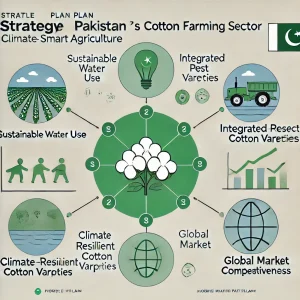
Pakistan must enhance its adaptation strategies to meet the Global Goal on Adaptation targets, focusing on infrastructure improvement, agricultural resilience, and communitybased solutions. Promoting sustainable practices and energy-efficient technologies can reduce greenhouse gas emissions and strengthen food security.
Climate finance remains a key enabler for Pakistan’s climate ambitions. At COP28, discussions cantered on the need to reform multilateral financial systems to make climate finance more accessible to developing nations. As part of this effort, Pakistan must advocate for a more inclusive financial system that addresses its unique needs. The recent replenishment of the Green Climate Fund (GCF) to USD 12.8 billion is a step in the right direction, but much more is needed to meet the country’s climate finance requirements. Pakistan should leverage these global platforms to secure additional funding for its climate projects, particularly in energy, agriculture, and infrastructure.
In the lead-up to COP29, Resources Future and Sohail & Partners are co-hosting a High-Level Climate Finance Forum and COP29 Preparatory Workshop on October 31 and November 2, 2024, in partnership with IBA Karachi and NIBAF Islamabad. This forum will bring together key stakeholders to discuss strategic solutions for mobilizing climate finance, a crucial step for Pakistan as it prepares its stance for COP29. The discussions will focus on three critical sectors: Electric Vehicles (EV), energy efficiency, and agriculture, aligning with Pakistan’s Nationally Determined Contributions (NDCs).
Looking ahead to COP29, the stakes for Pakistan are higher than ever. The country must come prepared with bold and comprehensive plans that not only address mitigation and adaptation but also position Pakistan as a leader in climate resilience and innovation. By doing so, Pakistan can turn the challenges of climate change into opportunities for sustainable growth and development.