Resources Future

Biochar The Black Gold in Carbon Markets

Biochar offers one of the most durable and credible pathways for carbon removal, with long- term storage of carbon in soils and agricultural systems. As interest in high-integrity removal credits grows, biochar projects are emerging as a practical solution for agricultural waste management, soil improvement, and verified carbon sequestration. We help project developers assess whether biochar production can generate high-quality carbon credits and how to structure projects for credible certification and monetisation.

Follow on

~2–3 tCO₂e stored per tonne of biochar (depending on feedstock and process)

70–90% of biochar carbon remains stable for centuries

100+ years carbon storage duration recognised in IPCC-aligned assessments

Our Challenge

Large volumes of agricultural and organic residues in Pakistan and similar markets are currently burned, dumped, or left to decompose, releasing carbon back into the atmosphere and contributing to local air pollution. Biochar provides a scientifically proven alternative, yet most project developers face uncertainty around carbon permanence, monitoring requirements, and eligibility under recognized carbon standards.
At the same time, carbon markets for removals are evolving rapidly, with stricter scrutiny on durability, additionality, and measurement. Without clear feasibility assessments and a well- defined certification pathway, many promising biochar initiatives struggle to attract investment or fail to reach registration, leaving both climate and commercial value unrealised.

How We Help

We provide project developers with a clear, evidence-based assessment of whether a biochar initiative can generate credible carbon removal credits. Our approach focuses on eligibility, conservative carbon accounting, and alignment with recognised standards, helping clients understand expected credit volumes, costs, and timelines before committing capital.
We also simplify complex certification requirements by translating scientific and methodological criteria into practical project steps. From defining feedstock boundaries and permanence assumptions to outlining monitoring and verification needs, we help developers structure biochar projects that are credible, investable, and aligned with buyer expectations in evolving carbon markets.

Our Services

Pre-feasibility assessment

A rapid, structured assessment to determine whether a biochar concept is viable for carbon markets. We review feedstock availability,
technology options, indicative carbon removal potential, and high-level economics.

Biochar Full-Carbon Feasibility Assessment

We assess feedstock availability, production
technology, carbon permanence, and expected credit volumes to determine whether a
biochar project is suitable for carbon certification.

Methodology & Crediting Pathway Design

We identify the most appropriate carbon
standard and methodology, define baselines and permanence assumptions, and map the
full pathway from project design to issuance.

MRV & Registration Support

We support the preparation of monitoring plans, carbon accounting documentation, and registration materials, guiding projects through
validation and verification requirements.

Types of Biochar Projects We Support

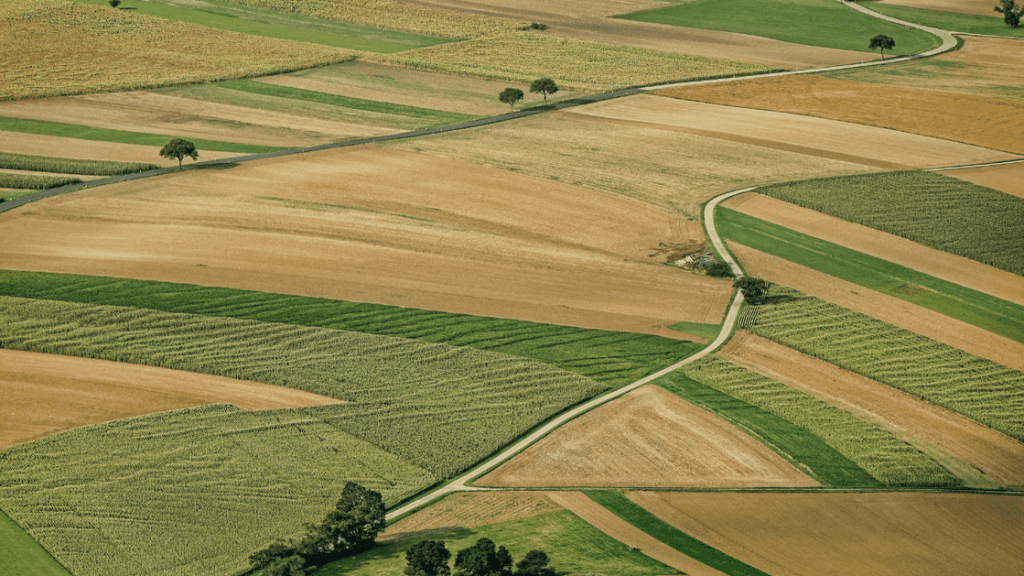
AGRICULTURAL RESIDUE BIOCHAR

Crop residues and biomass converted to biochar via pyrolysis

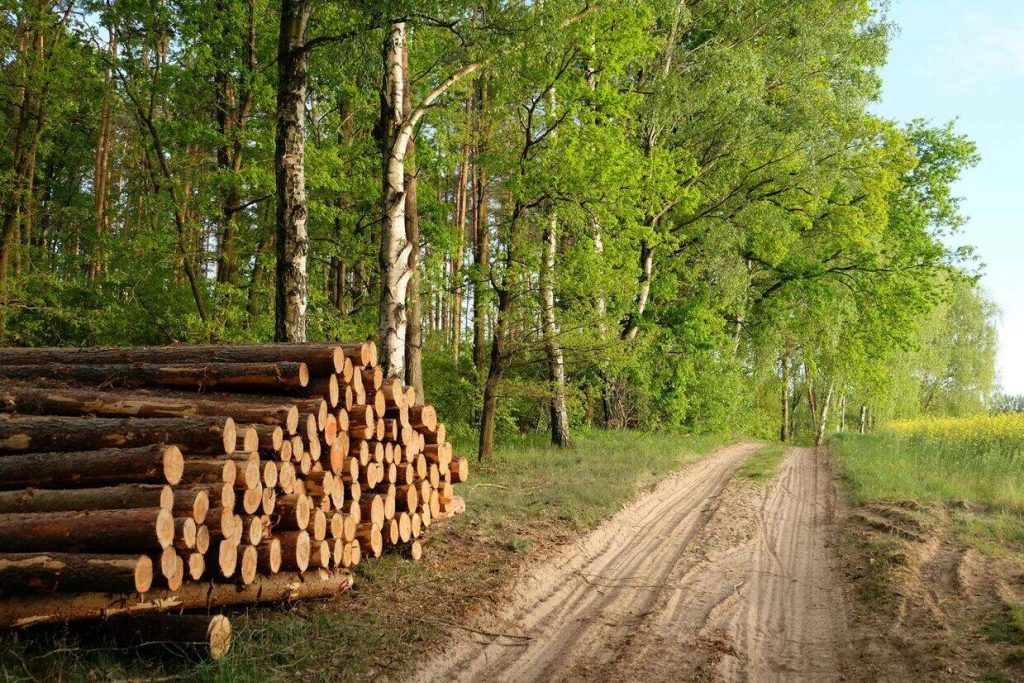
FORESTRY & WOOD WASTE BIOCHAR

Forestry residues, sawmill waste, and pruning biomass

MANURE & ORGANIC WASTE BIOCHAR

Animal manure and organic waste streams converted to biochar

INDUSTRIAL BIOCHAR APPLICATIONS

Biochar used in soil amendment and industrial processes

BIOCHAR-BASED CARBON REMOVAL PROJECTS

Projects designed explicitly for long-term carbon sequestration