
From prolonged droughts to devastating hurricanes, climate-related disasters have surged globally, causing large-scale infrastructure damage and economic losses. Weak institutional coordination has historically hampered investment efficiency. Many conventional institutions fail to integrate climate considerations into infrastructure projects, leading to unsustainable development. Hence, there is a mounting climate adaptation financing gap. To bridge this gap, Pakistan is working to enhance climate-sensitive public investment governance through better resource allocation, strengthened regulatory oversight, and data-driven decision-making. According to the World Bank’s 2023 report, the country requires approximately $348 billion between 2023 and 2030 to develop climate-resilient infrastructure. The rising frequency of floods, droughts, and extreme weather events have intensified economic losses, highlighting the need for significant investment in climate-proofing infrastructure.
Without resilient infrastructure, countries will continue to bear significant financial setbacks in development efforts. Recognizing this urgency, the International Monetary Fund (IMF) has integrated climate considerations into its Public Investment Management Assessment (PIMA) framework to enhance sustainability in infrastructure planning and financing.
The Evolution from PIMA to C-PIMA
The traditional PIMA framework assesses the efficiency of public investment management across countries. However, the IMF identified that without incorporating climate perspectives, it would fail to address the pressing environmental challenges of our time. This realization led to the creation of the Climate-Public Investment Management Assessment (C-PIMA), an extension of PIMA that integrates climate concerns into public investment strategies.
C-PIMA supports green infrastructure investments to promote environmental sustainability, aligning with the Sustainable Development Goals (SDGs) and the Paris Agreement. Green infrastructure is not just about reducing emissions; it requires institutional reforms, the use of low-carbon and climate-resilient materials, and improved investment decision-making. Both public and private investors are increasingly prioritizing sustainability, recognizing the need to mitigate climate risks while ensuring long-term economic benefits.
Pakistan’s Adoption of C-PIMA
Several countries, including Pakistan, have adopted the C-PIMA framework to enhance public investment management in the face of climate change. Pakistan has redefined its institutional arrangements, such as the Public-Private Partnership (PPP) framework and the Public Sector Development Program (PSDP), to align with C-PIMA guidelines. This shift has introduced climate finance mechanisms, innovative financial instruments, carbon credits, and global climate change accreditations into national investment portfolios.
Additionally, Pakistan’s Special Investment Facilitation Council (SIFC) has been tasked with integrating climate considerations into investment planning. Under the C-PIMA framework, these institutions must reorient concept notes and technical feasibility studies to ensure that climate resilience is embedded in all future infrastructure projects.
IMF’s Contingency Measures and Climate Resilience in Pakistan
In parallel, Pakistan has engaged with the IMF’s $3 billion Stand-By Arrangement (SBA), which includes contingency measures to ensure fiscal and monetary stability. If Pakistan deviates from the agreed targets, these measures act as safety nets to realign the economy. While the primary purpose of the SBA is macroeconomic stabilization, an underlying goal is to build climate resilience in the wake of frequent extreme weather events.
As part of its commitment to economic and climate reforms, Pakistani authorities have collaborated with the IMF to conduct technical assessments using the latest data. The PIMA action plan, in conjunction with C-PIMA, serves as a structural benchmark to guide the country toward low-carbon and climate-resilient infrastructure development. This assessment evaluates five key areas of climate-aware public investment management:
- Infrastructure Planning: Ensuring projects align with national climate goals.
- Coordination Between Entities: Strengthening intergovernmental and public-private collaboration.
- Project Appraisal and Selection: Prioritizing investments with high climate resilience impacts.
- Budgeting and Portfolio Management: Allocating resources effectively for climate-proofing.
- Risk Management: Incorporating climate risk assessments into infrastructure planning.
Strengthening Climate Investment Governance
For Pakistan to maximize the benefits of climate financing, it must undertake a comprehensive evaluation of its governance structures and investment processes. Key steps include:
- Enhancing institutional coordination between government agencies, private stakeholders, and international partners to streamline climate investments.
- Developing a transparent framework for project selection, prioritization, and funding allocation to ensure high-impact projects receive adequate resources.
- Mitigating financial and operational risks by integrating climate risk assessments into financial planning and establishing contingency mechanisms.
- Implementing monitoring and evaluation systems with clear performance indicators to track public investments and ensure accountability.
Scenario 1: Floods
Pakistan has long grappled with recurring floods that devastate communities and infrastructure, underscoring the critical need for effective flood management strategies. A comprehensive Public Investment Management Assessment (PIMA) has been instrumental in prioritizing investments aimed at mitigating flood impacts and enhancing resilience.
Investment in Flood Barriers and Early Warning Systems
One of the key recommendations from the PIMA assessment is the construction of flood barriers to protect vulnerable areas. These structures are designed to prevent floodwaters from inundating communities, thereby safeguarding lives and property. Complementing these physical defenses, the development of early warning systems has been prioritized. These systems utilize advanced technologies, including Automatic Weather Stations (AWS), rain gauges, and water depth sensors, to monitor hydrological conditions in real-time. The data collected enables authorities to issue timely alerts, allowing communities to evacuate or implement protective measures before floods strike.
Development of Resilient Infrastructure
Investing in resilient infrastructure is another critical focus area. By constructing buildings, roads, and bridges that can withstand extreme weather events, Pakistan aims to reduce the economic impact of floods. Notably, the implementation of resilient infrastructure has been shown to reduce damage costs by approximately 30%, highlighting the cost-effectiveness of such investments.
Community Training Programs for Disaster Preparedness
Community engagement and training are vital components of effective disaster risk management. Programs designed to educate and train local populations in disaster preparedness have been implemented to enhance community resilience. These initiatives focus on building awareness of flood risks, teaching emergency response skills, and promoting the development of local early warning mechanisms. Such community-led approaches have proven effective in improving disaster preparedness and response.
Impact of the 2022 Floods
The devastating floods of 2022 served as a stark reminder of Pakistan’s vulnerability to climate-induced disasters. The Post-Disaster Needs Assessment (PDNA) conducted in the aftermath estimated total damages exceeding USD 14.9 billion, with economic losses reaching about USD 15.2 billion. The assessment highlighted the urgent need for substantial investments in flood mitigation and resilience-building measures.
Case Study 2: Renewable Energy Investments
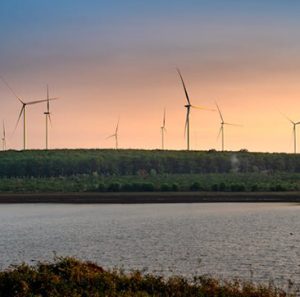
A CPIMA-driven analysis in Pakistan’s energy sector identified solar and wind projects as high-priority areas, leading to:
- 25% reduction in greenhouse gas emissions.
- Creation of over 10,000 jobs in renewable energy.
- Improved energy access in rural areas.
Practical Tools and Frameworks
Pakistan’s energy sector has long been dominated by fossil fuels, leading to significant greenhouse gas emissions and environmental degradation. Recognizing the need for sustainable development, a Climate-Public Investment Management Assessment (C-PIMA) analysis identified solar and wind projects as high-priority areas for investment. This strategic focus has yielded substantial benefits, including a 25% reduction in greenhouse gas emissions, the creation of over 10,000 jobs in the renewable energy sector, and improved energy access in rural areas.
Reduction in Greenhouse Gas Emissions
The shift towards renewable energy sources has been instrumental in mitigating climate change impacts. Investments in solar and wind energy have led to a significant decrease in reliance on fossil fuels, resulting in a 25% reduction in greenhouse gas emissions. This transition not only aligns with global environmental goals but also enhances Pakistan’s commitment to sustainable development.
Job Creation in the Renewable Energy Sector
The renewable energy boom has also been a catalyst for economic growth. The Renewable Energy Policy of 2019 projected that a high solar photovoltaic pathway could generate approximately 333,797 jobs, with 196,351 direct and 137,446 indirect positions. Similarly, a high wind pathway was estimated to create around 295,610 jobs, comprising 173,888 direct and 121,722 indirect roles. These figures underscore the substantial employment opportunities stemming from renewable energy investments.
Improved Energy Access in Rural Areas
Renewable energy initiatives have significantly enhanced energy access in Pakistan’s rural regions. Projects like the KfW Access to Financial Services (PMIC SOLAR) have focused on financing Solar Home Systems through partner financial institutions. This approach has made solar energy more affordable and accessible, particularly in off-grid and underserved areas, thereby improving the quality of life for rural households.
Lessons from Peer Economies
Vietnam
One of Vietnam’s most notable climate investment successes is the “Greening Vietnam’s Rice Bowl” project in the Mekong Delta. This initiative has enabled farmers to adopt sustainable agricultural practices, reducing their carbon footprint while increasing yields and income. By using fewer inputs—cutting fertilizer and water use by up to 50%—farmers have achieved an average 30% increase in earnings. The project has already led to an annual reduction of 1.5 million tons of CO₂ emissions.
Recognizing its success, the Vietnamese government, with World Bank support, is scaling up the initiative to cover a larger portion of the Mekong Delta. By 2030, this expansion aims to further cut emissions by up to 10 million tons of CO₂, reinforcing Vietnam’s commitment to climate-conscious agriculture and sustainable economic growth.
Bangladesh
Bangladesh is widely regarded as a success story in climate investment, particularly in adaptation strategies. Despite being one of the most climate-vulnerable countries, it has significantly reduced cyclone-related deaths and economic losses through proactive disaster preparedness and climate-resilient infrastructure.
Since 1972, Bangladesh has invested approximately $10 billion in climate adaptation, implementing measures such as coastal embankments, cyclone shelters, and community-based disaster preparedness programs. These investments have led to a 100-fold decrease in cyclone-related deaths since 1970, according to the World Bank. The country’s Bangladesh Climate Change Strategy and Action Plan (BCCSAP) provides a comprehensive framework for climate resilience, guiding national policies and investments.
Key climate adaptation initiatives include:
Coastal Embankments: Protecting storm surges and rising sea levels.
Early Warning Systems: Enabling timely evacuations through robust cyclone forecasting.
Community-Based Preparedness: Training local communities in disaster response and shelter management.
Climate-Smart Agriculture: Promoting drought-resistant crops and sustainable farming techniques to counter shifting weather patterns.
Bangladesh has also actively secured international funding and partnerships to support its climate resilience efforts for long-term sustainability and scaling up successful interventions.
Pakistan’s “Ten Billion Tree Tsunami” – A Climate Investment Success
Pakistan’s most notable climate investment success is the ambitious “Ten Billion Tree Tsunami” reforestation program, aimed at planting 10 billion trees nationwide. This initiative plays a crucial role in carbon sequestration, climate mitigation, and ecosystem restoration, while also generating livelihood opportunities for local communities. Recognized globally for its scale and impact, the program has surpassed its initial targets, reaffirming Pakistan’s commitment to reforestation as a climate action strategy.
The Korean government has extended its support to the program, reinforcing Pakistan’s climate efforts. As part of this collaboration, both governments launched a Friendship Forest, contributing nearly 10,000 trees to combat deforestation and biodiversity loss. These initiatives highlight Pakistan’s proactive approach to climate investment management, reflecting its ability to mobilize international financing, align policies with global climate goals, and integrate adaptation and mitigation strategies into national planning. Given Pakistan’s vulnerability to climate change, such policies can strengthen green diplomacy, attract foreign investments, and promote eco-tourism, demonstrating the importance of climate-responsive public investment management.
Originally launched in 2015 in Khyber Pakhtunkhwa, the Ten Billion Tree Tsunami began as a provincial initiative to restore lost forest cover. In 2018, it was expanded to the federal level, significantly accelerating afforestation efforts. Over the past three years, 800 million trees have been planted, marking substantial progress toward its targets. The initiative’s alignment with Pakistan’s climate finance framework and integration into long-term development planning exemplify effective institutional coordination and climate-responsive budgeting, key principles of CPIMA.
To ensure transparency and effectiveness, Pakistan has partnered with international organizations such as WWF and IUCN for monitoring, evaluation, and verification (MRV), enhancing the program’s credibility. This approach aligns with CPIMA’s emphasis on accountability, cost-effectiveness, and evidence-based decision-making in climate-related public investments.
What’s Next?
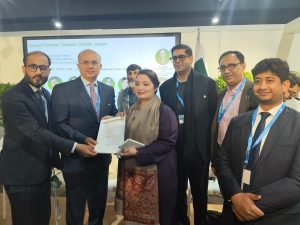
Beyond afforestation, Pakistan is broadening its climate investment strategy by expanding green energy projects, climate-resilient infrastructure, and sustainable agriculture, reinforcing its long-term commitment to climate adaptation and low-carbon development. A landmark agreement with Denmark aims to strengthen climate governance, institutional capacity, and financial mechanisms to scale up investments in sustainable ports, renewable energy, and energy efficiency measures. Given Pakistan’s vulnerability to climate change, this collaboration illustrates the country’s ability to leverage international climate finance, enhance risk-informed public investment management, and align development priorities with global sustainability goals. Moving forward, strengthening institutional capacities and securing long-term climate financing will be critical to sustaining and scaling these efforts.